Building metal roof systems has become increasingly popular among homeowners in Wooster, Massillon, and surrounding areas. If you’re considering a metal roof for your home, you want to know the key points before diving into the details:
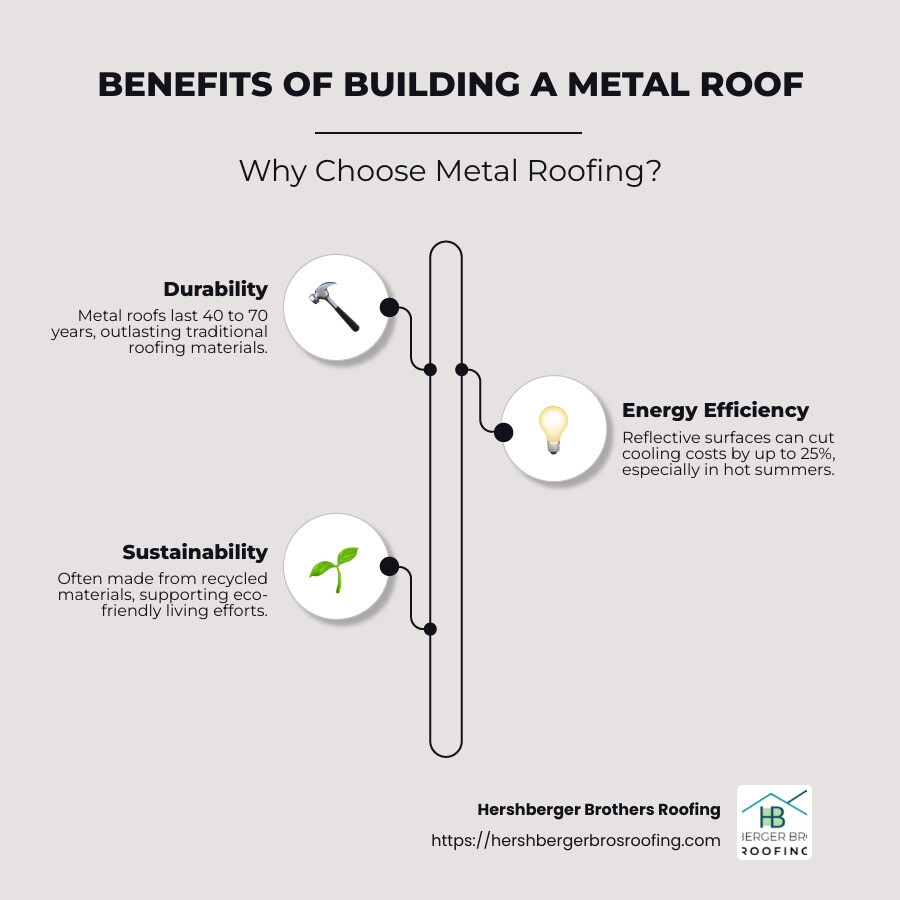
- Durability: Metal roofs stand the test of time, outlasting traditional options like asphalt shingles.
- Energy Efficiency: Their reflective surfaces could reduce cooling costs by up to 25%.
- Sustainability: Often crafted from recycled materials, metal roofs reduce waste and support eco-friendly living.
Metal roofing isn’t just about covering your home; it’s about embracing a whole new set of benefits that include energy savings and environmental sustainability. They reflect solar heat, which can significantly cut down on cooling costs during hot Ohio summers. Plus, metal roofs require minimal maintenance and have a life expectancy of 40 to 70 years, providing a reliable solution against the region’s challenging weather conditions.
I’m Mervin Hershberger, co-owner of Hershberger Brothers Roofing. With a decade of experience, I’ve guided countless Ohio homeowners through the process of building metal roof systems. As we move through this guide, I’ll provide insights custom to your needs, ensuring that your journey to a metal roof is as smooth as possible.
Similar topics to building metal roof:
– metal roof over shingles no strapping
– metal roofs installation
Planning Your Metal Roof Project
Starting on the journey of building a metal roof involves careful planning and consideration. Let’s break down the essentials to ensure your project is a success.
Budgeting
The first step in planning your metal roof project is setting a budget. Metal roofs, while more expensive upfront than asphalt shingles, offer long-term savings due to their durability and energy efficiency.
- Material Costs: The price varies depending on the type of metal you choose, such as steel, aluminum, or copper.
- Labor Costs: Hiring experienced professionals is crucial for a quality installation. Although this adds to the cost, it ensures a longer-lasting and more reliable roof.
- Long-Term Savings: Metal roofs can last 40 to 70 years, reducing replacement costs over time.
Permits
Before you start your project, check with local authorities in areas like Wooster, Massillon, and Akron to determine if you need a building permit. Regulations vary, and compliance is essential to avoid future issues.
- Building Codes: Ensure your chosen materials and design meet local building codes.
- Inspection Requirements: Some areas may require inspections at different stages of the project.
Design Considerations
Designing your metal roof involves more than just picking a color. Consider these factors to ensure your roof complements your home and meets your needs:
- Style and Aesthetics: Metal roofs come in various styles, such as standing seam or metal shingles, allowing you to choose one that fits your home’s architecture.
- Color Options: Use tools like the Metal Building Color Planner to visualize different color combinations and select the best match for your home.
- Environmental Factors: Consider the climate in Ohio. A reflective metal roof can significantly reduce cooling costs during hot summers.
By budgeting wisely, securing the necessary permits, and carefully considering your roof’s design, you’ll set the foundation for a successful metal roofing project.
Next, we’ll move on to the essential tools and materials you’ll need to bring your metal roof to life.
Essential Tools and Materials for Building a Metal Roof
When it comes to building a metal roof, having the right tools and materials is crucial. Let’s break down what you’ll need to get started.
Tools List
- Metal Shears: Essential for cutting metal panels to fit your roof’s dimensions.
- Drill: A reliable drill with metal bits will help secure the panels and fasteners.
- Snips and Nibblers: Handy for making precise cuts and adjustments.
- Measuring Tape: Accurate measurements are key to a successful installation.
- Chalk Line: Helps in marking straight lines for panel alignment.
- Hammer and Nails: Useful for securing underlayment and other materials.
- Ladder: Ensure it’s sturdy and tall enough to reach your roof safely.
- Safety Harness: Protects you from falls, especially when working at heights.
Materials List
- Metal Panels: Choose from options like steel or aluminum, known for their durability. Steel is often preferred for its strength and cost-effectiveness.
- Underlayment: Provides an extra layer of protection against moisture.
- Fasteners: Use corrosion-resistant screws or nails specifically designed for metal roofing.
- Sealant: Ensures that seams and joints are water-tight.
- Ventilation Components: Proper ventilation is crucial for roof longevity and energy efficiency.
- Flashing: Protects roof edges and prevents water intrusion.
Safety Gear
Safety should always be a top priority when working on a roof. Here’s what you’ll need:
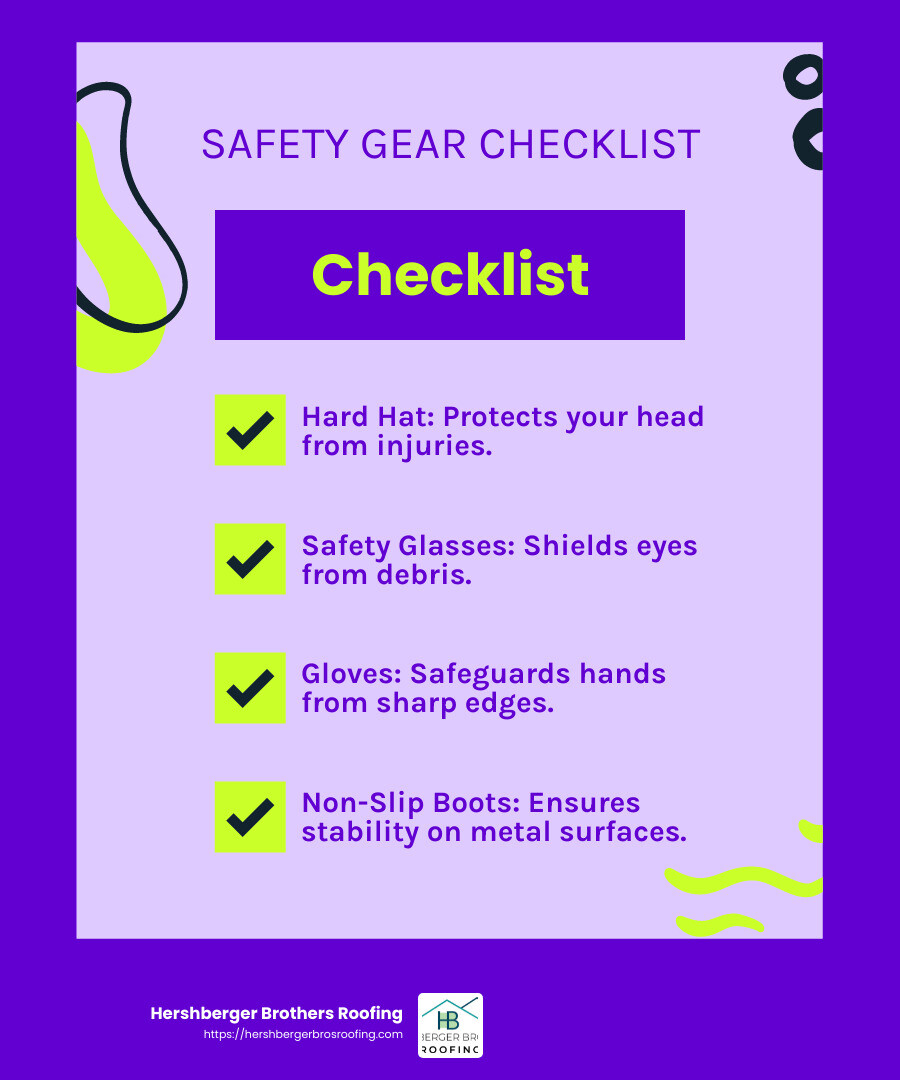
- Hard Hat: Protects your head from falling debris or accidental bumps.
- Safety Glasses: Shields your eyes from metal shavings and dust.
- Gloves: Protect your hands from sharp metal edges.
- Non-Slip Boots: Provides better grip and stability on metal surfaces.
- Ear Protection: Useful when using loud power tools.
Having the right tools, materials, and safety gear will set the stage for a smooth metal roof installation. With everything in place, you’re well-equipped to tackle the next phase of your project: the actual installation process.
Step-by-Step Guide to Building a Metal Roof
Now that you have your tools and materials ready, it’s time to dive into the building metal roof process. Follow this guide to ensure a successful installation.
Preparation
- Inspect the Roof Structure: Before installation, ensure that your roof’s structure can support the weight of metal panels. This is crucial for safety and longevity.
- Clean the Roof Surface: Remove any debris, old shingles, or obstacles. A clean surface ensures the underlayment and panels adhere properly.
- Install Underlayment: Roll out the underlayment over the entire roof surface. Secure it with nails or staples, ensuring no gaps or wrinkles. This layer acts as your first line of defense against moisture.
- Measure and Mark: Use your measuring tape and chalk line to mark where each metal panel will be placed. Accurate marking is essential for a neat and aligned finish.
Installation
- Position the First Panel: Start at the bottom corner of your roof. Align the first panel with the chalk lines, ensuring it overhangs the edge slightly to allow water runoff.
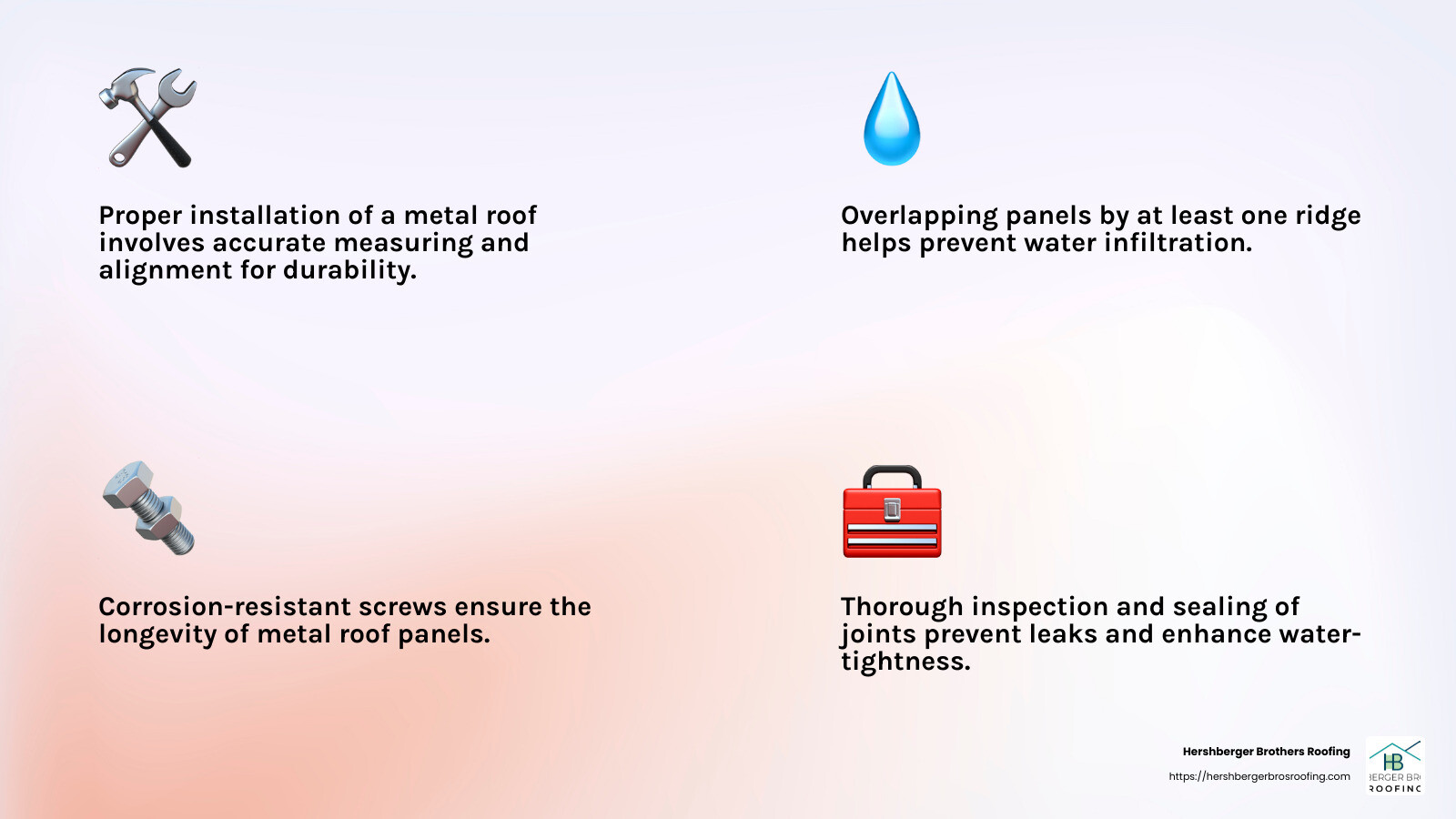
- Secure the Panel: Use your drill and corrosion-resistant screws to fasten the panel to the roof. Begin at the bottom and work your way up, ensuring screws are evenly spaced.
- Overlap Panels: As you add more panels, make sure each one overlaps the previous by at least one ridge. This overlap prevents water from seeping through.
- Install Flashing: Place flashing along roof valleys, around chimneys, and at edges. This prevents water from entering gaps and prolongs the roof’s life.
- Add Ventilation Components: Proper ventilation is key. Install ridge vents or other components to ensure airflow and reduce heat buildup.
Finishing Touches
- Seal All Joints: Apply a high-quality sealant to all seams, joints, and fasteners. This step is vital to prevent leaks and ensure water-tightness.
- Inspect Your Work: Once all panels are installed, inspect the roof for any missed screws or unsealed seams. Make necessary adjustments.
- Clean Up: Remove any leftover materials or debris from the roof and surrounding area. A tidy worksite is a safe worksite.
- Final Safety Check: Ensure all safety gear is removed and the area is secure. Double-check your ladder and other equipment are safely stowed away.
By following these steps, you’ll be on your way to having a durable, energy-efficient metal roof. With proper planning and careful execution, your new roof will stand strong against the elements for years to come.
Next, we’ll tackle some common challenges you might face during the installation process and how to overcome them effectively.
Common Challenges and Solutions in Building Metal Roof
Building a metal roof can be a rewarding project, but it’s not without its challenges. Let’s look at some common issues and how you can tackle them effectively.
Weather Considerations
Challenge: Weather can be unpredictable, and working on a metal roof in adverse conditions can be risky.
Solution: Plan your project during a period of stable weather. Avoid working during rain, snow, or high winds. Metal surfaces can be slippery, so ensure the roof is dry before starting. If you’re in areas like Cleveland or Akron, where weather can change quickly, keep an eye on forecasts and have a flexible schedule.
Structural Issues
Challenge: Not all roof structures are designed to support the weight of metal roofing.
Solution: Before starting, have a professional inspect your roof’s structure. Reinforce any weak areas. For homes in Massillon or Canton, where older structures are common, this step is crucial. Ensure your roof can bear the load without compromising safety.
Maintenance Tips
Challenge: While metal roofs are low maintenance, neglecting them can lead to problems like rust or leaks.
Solution: Perform regular inspections, especially after severe weather. Look for loose screws, damaged panels, or signs of rust. Clean the roof periodically to remove debris. In regions like Wooster and Dover, where snow can accumulate, ensure snow is cleared to prevent ice dams.
By addressing these challenges head-on, you’ll ensure your metal roof remains durable and efficient. Next, let’s dive into some frequently asked questions about building a metal roof.
Frequently Asked Questions about Building Metal Roof
What is the cost of building a metal roof?
Cost Factors:
The cost of building a metal roof can vary based on several factors. Materials are a big part of the cost. Metal roofing materials like steel and aluminum can differ in price. The size and slope of your roof also affect the total cost. Larger roofs require more materials and labor.
Budgeting Tips:
To budget wisely, get multiple quotes from contractors. This will give you a better idea of the price range in your area. In places like Canton and Wooster, prices can vary, so it’s good to shop around. Also, consider the long-term savings on energy costs and maintenance when budgeting.
How long does it take to build a metal roof?
Time Estimates:
The time it takes to build a metal roof depends on the size and complexity of your project. A typical metal roof installation can take anywhere from a few days to a week. If your roof is large or has many angles, it might take longer.
Project Planning:
Plan your project around good weather and ensure all materials and tools are ready before you start. This helps avoid delays. In Cleveland and Akron, where weather can be unpredictable, it’s wise to have a flexible timeline.
What are the benefits of a metal roof?
Durability:
Metal roofs are incredibly durable. They can last 40 to 70 years, outlasting traditional roofing materials like asphalt shingles. This makes them a great investment for homes in areas with harsh weather, such as Dover and Barberton.
Energy Efficiency:
Metal roofs are also energy-efficient. They reflect solar heat, which can lower cooling costs by 10 to 25%. This is especially beneficial in sunny areas. Plus, many metal roofs are made from recycled materials, making them an eco-friendly choice.
These benefits make metal roofs a smart option for homeowners looking to invest in long-term, sustainable roofing solutions.
Conclusion
When it comes to building a metal roof, choosing the right partner is crucial. At Hershberger Brothers Roofing, we pride ourselves on delivering expert advice and personalized service to meet the unique needs of our clients. Our team, with deep roots in Northern Ohio, understands the local climate and architectural styles, ensuring that your metal roof not only looks great but also stands the test of time.
Why Choose Hershberger Brothers Roofing?
Our commitment to superior craftsmanship means that every project we undertake is completed with precision and care. We use only the highest quality materials, ensuring your metal roof is both durable and energy-efficient. Plus, our team is always ready to offer personalized solutions, custom to fit the specific demands of your home or business.
Expert Advice and Personalized Service
We believe that every project is unique, and our approach reflects that. From the initial consultation to the final installation, we work closely with you to ensure your vision becomes a reality. Our experts are here to guide you through every step of the process, providing insights and recommendations based on years of experience in the industry.
For those in Cleveland, Massillon, Canton, Wooster, and surrounding areas, our local expertise ensures that you receive a roofing solution that is perfectly suited to your environment. Whether you’re looking to improve the aesthetic appeal of your property or improve its energy efficiency, we’re here to help.
Ready to start your metal roofing project? Contact Hershberger Brothers Roofing today for a consultation and find the difference our personalized service can make. Your dream roof is just a call away.