Storm damage to a roof is stressful enough without an unfamiliar insurance process on top of it. Ohio actually regulates how insurers must handle your claim, with specific deadlines written into state law. Knowing those rules, plus a few common mistakes that derail otherwise solid claims, puts you in a stronger position. This guide walks through the real process, using Ohio’s published rules. Your specific policy and claim can still vary, so treat this as a starting point, not a final answer.

What To Do In The First 24 Hours After The Storm
Safety always comes before documentation in the first hours after a storm.
Check the property for downed power lines, gas odors, or anything that looks structurally unstable before going near the house. Stay off the roof, even if it looks safe from the ground. Wet or damaged shingles are a real fall risk. A temporary tarp over an active leak is fine, and insurers often expect it as reasonable mitigation. Skip any permanent repairs until you document the damage. Most policies require reasonable steps to prevent further damage, not a finished repair.
How To Document The Damage Before You Call Anyone
Photos and video are the foundation of a strong claim, and timing matters.
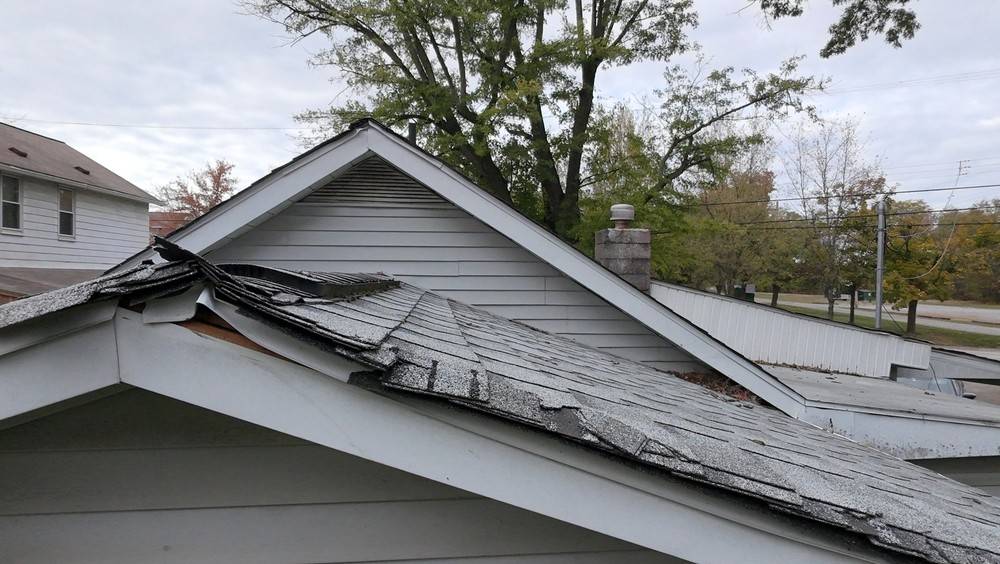
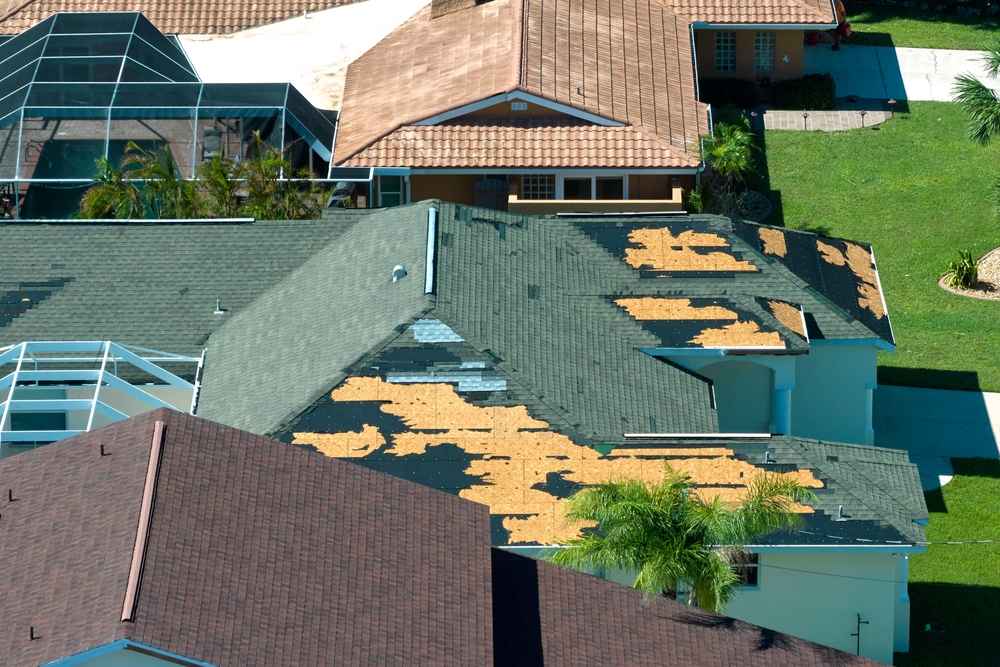
Capture wide shots of the whole roof and close-ups of specific damage, from any angle you can safely reach. Walk the ground level too, since hail damage often shows up first at ground level. Dented gutters, downspouts, or an outdoor AC unit are common early signs. Note the date and approximate time of the storm, and keep any local weather reports that confirm the event. If you make a temporary repair like emergency tarping, save the receipt, since most policies reimburse reasonable mitigation costs.
For the hands-on repair side, the Akron storm damage repair guide covers what happens once the claim itself is moving.
What Ohio Law Actually Requires Your Insurer To Do
Ohio puts real deadlines on insurers, and most homeowners have never heard of them.
The Ohio Department of Insurance’s unfair claims practices rule sets specific timelines for property claims. Once you file, the insurer has 21 days to start investigating. After you submit a properly completed proof of loss, the insurer has 21 days to accept or deny the claim. If more time is genuinely needed, the insurer has to notify you within that window. After that, a status update has to follow at least every 45 days. Once an undisputed amount is accepted, payment is due within 10 days. None of this guarantees a favorable outcome, but a claim cannot just sit untouched for months.
Understanding Your Payout, ACV Versus RCV
Most Ohio homeowner policies pay in two parts, and the first check is rarely the final number.
A replacement cost value policy, the most common type in Ohio, pays the full cost to replace the roof. An actual cash value policy pays replacement cost minus depreciation for the roof’s age, which is usually a smaller number. With an RCV policy, the first check covers replacement cost minus both depreciation and your deductible. The remaining depreciation, called recoverable depreciation, gets released once the repair is complete and you submit proof. As an example, a $15,000 roof with $4,000 in depreciation and a $1,000 deductible would pay $10,000 up front. The remaining $4,000 follows once the work is finished.
Some older roofs get switched from RCV to ACV coverage at renewal without the homeowner noticing. Check your declarations page before assuming which type applies.
The Ohio Roof Matching Rule, And Its Real Limits
Ohio is what insurance professionals call a matching state.
The same Department of Insurance rule that sets claim deadlines also addresses repairs that do not match. If a repaired section does not match the rest of the roof in quality, color, or size, the rule applies. The insurer has to replace enough of the roof to create a reasonably comparable appearance. That language gives real protection against an obvious patch job. It is not an unlimited guarantee, and Ohio courts have tested that limit. In Wright v. State Farm, a federal appeals court sided with the insurer. The homeowner could not show the proposed repair would actually look mismatched. The standard is reasonably comparable, not identical, and the burden is on you to show a real difference.
Two Things That Can Sink An Otherwise Good Claim
Two specific mistakes cause more denied or reduced claims than anything else.
The first is a contractor offering to waive or absorb your deductible. Multiple sources in the Ohio roofing and insurance industry describe this practice as insurance fraud. It effectively means inflating the invoice to make up the difference. You are responsible for your deductible no matter what a contractor offers. Your insurer can request proof you paid it. The second mistake is signing an assignment of benefits before a roof has even been inspected. An assignment of benefits transfers your right to the claim payout to whoever you signed it with. Once it is signed, you may lose control over how the claim gets handled. Never sign one on the spot, especially with a contractor you just met.
What A Roofing Contractor Can And Cannot Do For Your Claim
A roofing contractor can document, inspect, and meet your adjuster on site. A contractor cannot legally act as your negotiator the way a licensed public adjuster can.
A contractor’s role is to climb the roof with the adjuster and flag damage easy to miss from the ground. A detailed written estimate gives the adjuster something concrete to compare against their own findings. This kind of assistance costs nothing extra, paid for through the roofing project rather than a cut of your settlement. A public adjuster is a separate, licensed profession that works for a percentage of the payout. Homeowners typically bring one in when a claim is disputed or denied. For a straightforward claim with clear storm damage, a contractor’s documentation and presence is usually all you need.
Hershberger Brothers Roofing’s storm damage repair team follows exactly this model, documenting damage and meeting the adjuster on site.
Get A Documented Inspection Before You Call Your Insurer
A documented inspection before you ever speak to your insurer puts you ahead of the process, not behind it. Hershberger Brothers Roofing has served Northeast Ohio homeowners for more than 15 years. The company holds a BBB A+ rating and is fully insured and bonded. Schedule a free inspection and get a written report you can hand directly to your adjuster.